
Document Safes: Fire Ratings, Access and Recovery Planning

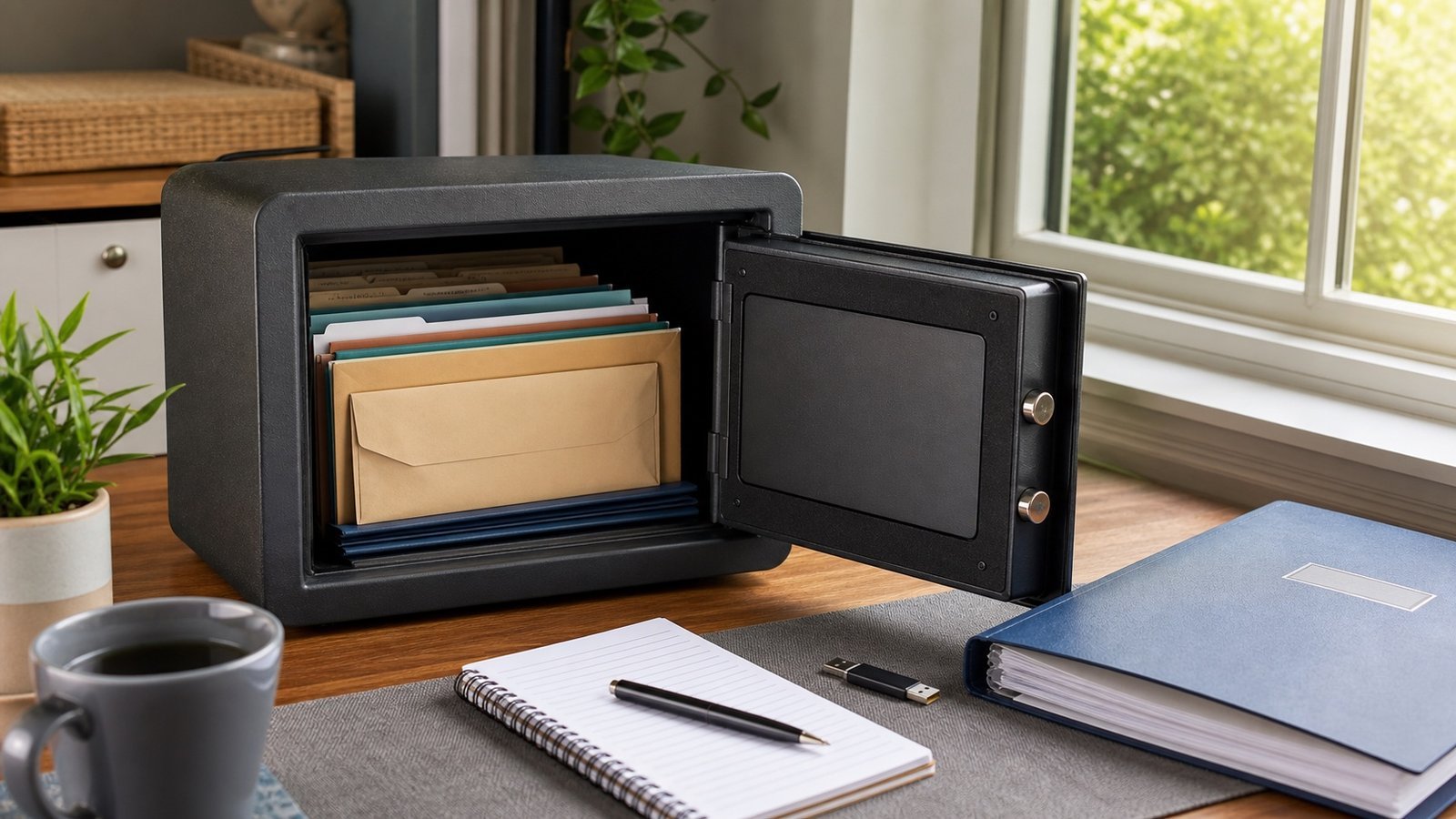
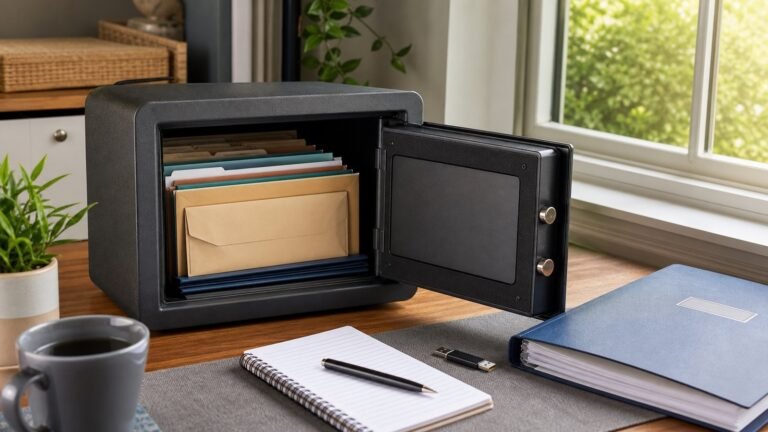
A document safe is not just for valuables. It is part of your identity-recovery system. Buy for the records you would need after a fire, burglary, scam, data breach, or family emergency: passports, birth certificates, Social Security cards, insurance papers, wills, powers of attorney, and a short recovery checklist.
What this guide is really about
The old version of this article treated safes like a generic product roundup. The useful question is sharper: if your wallet, phone, laptop, or identity documents disappeared tomorrow, what would help you recover fastest? A good home safe protects originals, keeps recovery information findable, and prevents a stressful event from becoming an identity-protection mess.
Safe types by job
| Job | Safe type to evaluate | Why | Watch out for |
|---|---|---|---|
| Core identity papers | Fire and water resistant document chest | Simple, portable, sized for passports and certificates | Weak burglary protection if not hidden |
| Family records and files | Larger fire-rated document safe | Holds folders, policies, and emergency papers | Heavy enough to require planning |
| Jewelry and cash | Bolt-down security safe | Better against opportunistic theft | Fire protection may be weaker |
| Backups and drives | Data/media-rated safe | Electronics fail at lower temperatures than paper | Paper fire rating is not enough |
What to store
- Passports, birth certificates, marriage certificates, and immigration papers.
- Social Security cards and tax identity documents.
- Insurance policy pages, property records, vehicle titles, and mortgage documents.
- Wills, powers of attorney, health-care proxy documents, and emergency contacts.
- A printed identity-recovery checklist: credit-freeze links, bank phone numbers, and the location of recovery codes.
What not to store
Do not store the only copy of a safe code inside the safe. Do not store medications unless the manufacturer says the storage environment is safe. Do not store all password-manager recovery material in one place without a backup plan.
Ratings that matter
For documents, look for independent fire ratings and enough internal space for papers without folding them. If flood or fire-fighting water is a concern, water resistance matters too. For theft resistance, bolt-down hardware and concealment matter as much as the marketing label. A light document box protects better from fire than a drawer, but it can still be carried away.
The family-access problem
A safe that no one can open in an emergency is a liability. At least one trusted adult should know the safe exists and how to access it under defined circumstances. For older parents, make this part of the same conversation as powers of attorney, bank alerts, and scam-prevention rules.
Build a recovery folder
The safe is only as useful as the folder inside it. Create one folder for identity documents, one for insurance and property, one for estate or authority documents, and one short recovery checklist. The checklist should say where the password manager recovery material is, which banks and insurers to call, where credit-freeze instructions live, and who else in the family should be contacted.
Keep copies separate from originals. A scanned passport copy can help with a phone call, but it is not the passport. A printed bank phone number helps in a fraud event, but it should not include full account passwords. The aim is fast recovery without putting everything a thief needs in one portable box.
Fire rating vs theft rating
Fire-resistant document chests are designed around heat and time. Burglary safes are designed around forced entry, anchoring, and concealment. Many consumer products lean harder on one job than the other. If the main risk is house fire, prioritize independent fire and water ratings. If the main risk is theft, a light portable chest is weaker unless it is hidden or secured. If you need both, expect a heavier and more expensive safe.
Family access rules
Write down who may open the safe and under what circumstances. That matters for older parents, blended families, housemates, and anyone with medical or legal paperwork inside. If power of attorney documents are locked away and nobody can access them, the safe has failed its real job. Balance privacy with emergency access.
- Tell one trusted adult the safe exists.
- Keep the spare key or recovery method somewhere controlled, not taped nearby.
- Review contents once a year after tax season or insurance renewal.
- Remove expired passports, old policies, and outdated recovery numbers.
Where to put the safe
Choose a location that balances access and concealment. A safe used for emergency documents must be reachable when needed, but not obvious to a casual visitor or burglar. Avoid garages or damp areas unless the product and contents can handle humidity. If the safe is heavy, check the floor and delivery route before buying.
Digital copies
Keep encrypted digital copies of key documents where appropriate, but do not treat them as replacements for originals. A scanned passport can help you report a loss; it cannot get you through a border. Use secure cloud storage or an encrypted drive, protect the account with two-factor authentication, and make sure another trusted adult knows the recovery path.
Sources and methodology
By The Connected Living Guide Team. This guide is research-based and does not claim source-backed claims audit.
- FTC credit-freeze guidance
- IdentityTheft.gov recovery guidance
- Manufacturer fire, water, and burglary ratings must be rechecked before adding specific product recommendations.
Last editorial source pass: June 13, 2026.