If you are evaluating built in wall safe secure tool equipment 2 2, this FAQ gives practical answers built for real-world decisions, not generic checklists.
Use the quick navigation to jump to your immediate question, then apply the action steps under each answer to improve outcomes.
FAQ Quick Navigation
- What are built-in wall safes?
- How do built-in wall safes enhance home security?
- What installation considerations exist for built-in wall safes?
- How are built-in wall safes operated?
- What maintenance is recommended for built-in wall safes?
1) What are built-in wall safes?
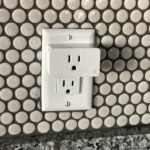
Built-in wall safes are concealed storage units installed within walls, providing secure protection. A good practice is to regularly test its locking mechanism.
Why this matters: Using this answer to evaluate built wall safes keeps your built in wall safe secure tool equipment 2 2 decisions practical and relevant.
How to apply it:
- Use built wall safes as the first filter before comparing secondary features.
- Prioritize reliability and fit over novelty features.
- Document settings that work so the setup stays consistent.
2) How do built-in wall safes enhance home security?
They integrate into walls, remaining hidden while offering reliable access when needed. It is often helpful to choose locations with minimal visibility.
Why this matters: Using this answer to evaluate built wall safes enhance keeps your built in wall safe secure tool equipment 2 2 decisions practical and relevant.
How to apply it:
- Use built wall safes enhance as the first filter before comparing secondary features.
- Prioritize reliability and fit over novelty features.
- Document settings that work so the setup stays consistent.
3) What installation considerations exist for built-in wall safes?
Installation requires proper wall reinforcement and precise measurements to ensure functionality. Consider trying to consult professionals for optimal installation.
Why this matters: Small setup changes create the biggest daily comfort gains and reduce strain over long sessions.
How to apply it:
- Set an initial baseline based on your most common use case.
- Adjust one variable at a time so you can isolate what actually improves results.
- Recheck after a week and keep only the settings that consistently perform better.
4) How are built-in wall safes operated?
They are typically manual or electronic, using keypads or key locks for access. One effective strategy is to periodically update access codes.
Why this matters: Using this answer to evaluate built wall safes operated keeps your built in wall safe secure tool equipment 2 2 decisions practical and relevant.
How to apply it:
- Use built wall safes operated as the first filter before comparing secondary features.
- Prioritize reliability and fit over novelty features.
- Document settings that work so the setup stays consistent.
5) What maintenance is recommended for built-in wall safes?
Regular maintenance includes battery replacement and mechanical inspections. Many find it useful to schedule annual professional check-ups.
Why this matters: Using this answer to evaluate maintenance recommended built wall keeps your built in wall safe secure tool equipment 2 2 decisions practical and relevant.
How to apply it:
- Use maintenance recommended built wall as the first filter before comparing secondary features.
- Prioritize reliability and fit over novelty features.
- Document settings that work so the setup stays consistent.
Common Mistakes to Avoid
- Buying by appearance before confirming fit and adjustment range.
- Skipping setup calibration and judging comfort too early.
- Ignoring maintenance until wobble or mechanism issues appear.
- Choosing a model without checking warranty and return terms.
Final Check Before You Buy
- Confirm required features for your daily use.
- Confirm dimensions, fit range, and adjustment limits for your setup.
- Confirm warranty and return policy.
- Confirm maintenance requirements and replacement part support.
Need more detail? Read the full article: https://connectedlivingguide.com/faq-built-in-wall-safe-secure-tool-equipment-2-2/
Disclosure: This article may contain affiliate links. If you buy through these links, we may earn a commission at no extra cost to you.