
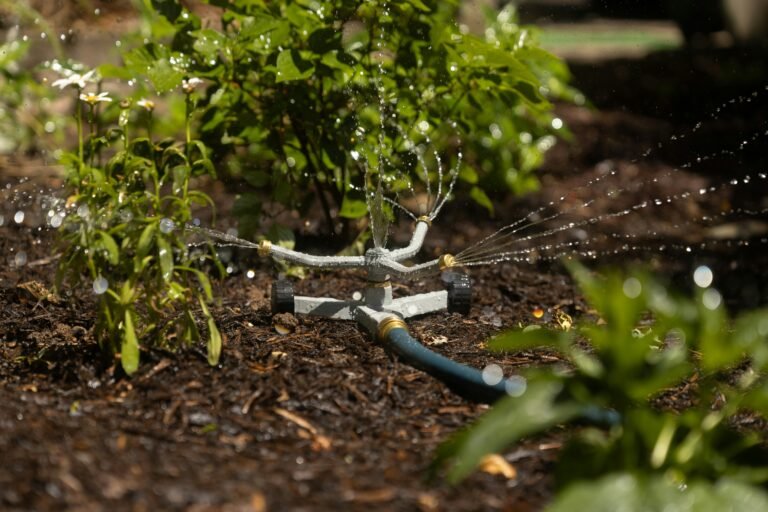
Discover the top auto sprinkler systems to enhance your lawn care routine, ensuring an eco-friendly and well-maintained garden.
Maintaining a lush, green lawn can be challenging, especially when it comes to efficient watering. With the best auto sprinkler systems, you can simplify your lawn care routine, save water, and keep your garden thriving. This guide explores the top options available, helping you choose the perfect system for your needs.
With increasing environmental concerns and water conservation becoming a priority, investing in an efficient auto sprinkler system is more important than ever. These systems not only save water but also ensure your lawn receives the optimal amount of hydration, promoting healthy growth and reducing waste.
In this article, we will delve into the various types of auto sprinkler systems, highlight key features to look for, compare top products, and provide expert tips for installation and maintenance. Whether you’re a seasoned gardener or a lawn care novice, you’ll find valuable insights to enhance your garden’s health and beauty.
Understanding Auto Sprinkler Systems
Auto sprinkler systems are designed to automate the process of watering your lawn, making it more efficient and less time-consuming.
- These systems use timers and sensors to deliver precise amounts of water, reducing overwatering and wastage.
- For example, smart sprinklers can adjust watering schedules based on weather data, ensuring your lawn is watered only when necessary.
- Research shows that automated systems can reduce water usage by up to 30%, making them an eco-friendly choice for lawn care.
Key Features to Consider
When selecting an auto sprinkler system, it’s essential to consider features that align with your lawn care needs and environmental goals.
- Programmability: Look for systems that allow easy scheduling and adjustments to suit your lawn’s requirements.
- Smart Technology: Systems with Wi-Fi connectivity enable remote control and weather-based adjustments.
- Water-Saving Features: Opt for models with soil moisture sensors or rain shut-off capabilities to maximize efficiency.
Comparing Different Sprinkler Systems
Explore the variety of sprinkler systems available to find the best fit for your garden.
| Feature/Type | Benefits | Best For | Considerations |
|---|---|---|---|
| Smart Sprinkler Controllers | Remote control and weather-based scheduling | Tech-savvy gardeners | Requires Wi-Fi connectivity |
| Drip Irrigation Systems | Efficient water use, ideal for gardens | Flower beds and vegetable patches | More complex installation |
| Traditional Rotating Sprinklers | Easy to install and adjust | Smaller lawns | Less precise water delivery |
Selecting the Right System for Your Lawn
Choosing the best auto sprinkler system involves evaluating your lawn’s size, shape, and specific watering needs.
- Assess your lawn’s layout and determine zones that require different watering schedules.
- Consider the climate and weather patterns in your area to choose a system with suitable features.
- Set a budget and compare systems that offer the best value for your investment.
Installation and Usage Tips
Proper installation and usage of your auto sprinkler system are crucial for optimal performance and water conservation.
- Follow manufacturer guidelines carefully during installation to avoid common pitfalls.
- Regularly check for leaks and clogs to maintain system efficiency and performance.
- Adjust settings seasonally to accommodate changing weather conditions and lawn needs.
Maintenance for Longevity
Regular maintenance ensures your auto sprinkler system remains efficient and extends its lifespan.
- Inspect sprinkler heads and lines monthly for damage or obstruction.
- Winterize your system to prevent damage from freezing temperatures.
- Schedule professional inspections annually to address any technical issues.
Expert Tips and Recommendations
- Install rain sensors to automatically shut off the system during rainfall, saving water and preventing overwatering.
- Use a water audit to determine the exact needs of different zones in your lawn for more precise watering.
- Consider upgrading to a smart controller if you frequently travel, ensuring your lawn is cared for in your absence.
- Invest in quality components to reduce maintenance costs and improve system reliability over time.
Common Questions About Best Auto Sprinkler Systems for Efficient Lawn Care
Find answers to frequently asked questions about selecting and maintaining the best auto sprinkler systems.
- Q: How do smart sprinkler systems save water?
A: Smart systems use weather data and soil moisture sensors to optimize watering schedules, reducing unnecessary water usage. - Q: Can I install an auto sprinkler system myself?
A: Yes, many systems are designed for DIY installation, but professional installation may be beneficial for complex systems. - Q: What is the average cost of an auto sprinkler system?
A: Costs vary widely based on system complexity and size, ranging from $500 to several thousand dollars. - Q: How often should I maintain my sprinkler system?
A: Regular monthly checks and an annual professional inspection are recommended for optimal performance. - Q: Are smart sprinklers worth the investment?
A: Yes, they offer long-term savings on water bills and ensure efficient lawn care, making them a worthwhile investment.
Conclusion
An automated watering system frees your time and reduces waste. You get consistent hydration, matched to weather and soil, so the lawn stays healthy. Timers and sensors help prevent overwatering. Weather based schedules can pause or shorten cycles when rain is forecast. Research in the article notes savings of up to 30 percent, which adds up over a season. Choose a controller, sprayers, or drip lines that fit your layout. The right match depends on area size, plant types, and exposure. Good planning delivers reliable results.
Decide how many zones you need, then select a controller that supports them. Look for easy programming, rain shut off, and soil moisture sensing. If you want remote changes, confirm wireless network connectivity. Use drip irrigation for beds and vegetable patches, and rotating sprinklers for open grass. Follow the maker’s installation steps, or hire a professional if the system is complex. Test coverage, then adjust schedules as seasons and rainfall shift.
Quick checks before you buy
-
Measure lawn size and shape, note shaded and sunny areas.
-
Map zones that need different schedules.
-
Choose a controller type that fits your needs, standard timer or smart weather based.
-
Confirm nearby power and reliable wireless network access.
-
Check compatibility with rain sensors and soil moisture sensors.
-
Compare total cost, from about five hundred to several thousand dollars, including installation.
-
Decide if you will install it yourself or use a professional.
Use and care for long life
-
Inspect heads and lines monthly for leaks or obstructions.
-
Adjust schedules seasonally to match temperature and rainfall.
-
Check for clogs and wear, replace damaged nozzles promptly.
-
Winterize the system before freezing temperatures.
-
Schedule a professional inspection once a year.
Next step: Sketch your lawn layout and mark zones that need separate schedules.
Check out this related post: Ultimate Guide to Lawn Irrigation Systems: Top 5 Solutions for a Healthy Lawn
Explore this topic: Garden Maintenance
Plan your layout in Planner 5D
This article contains affiliate links. If you make a purchase, we may earn a commission at no extra cost to you.
Last updated on September 2, 2025
